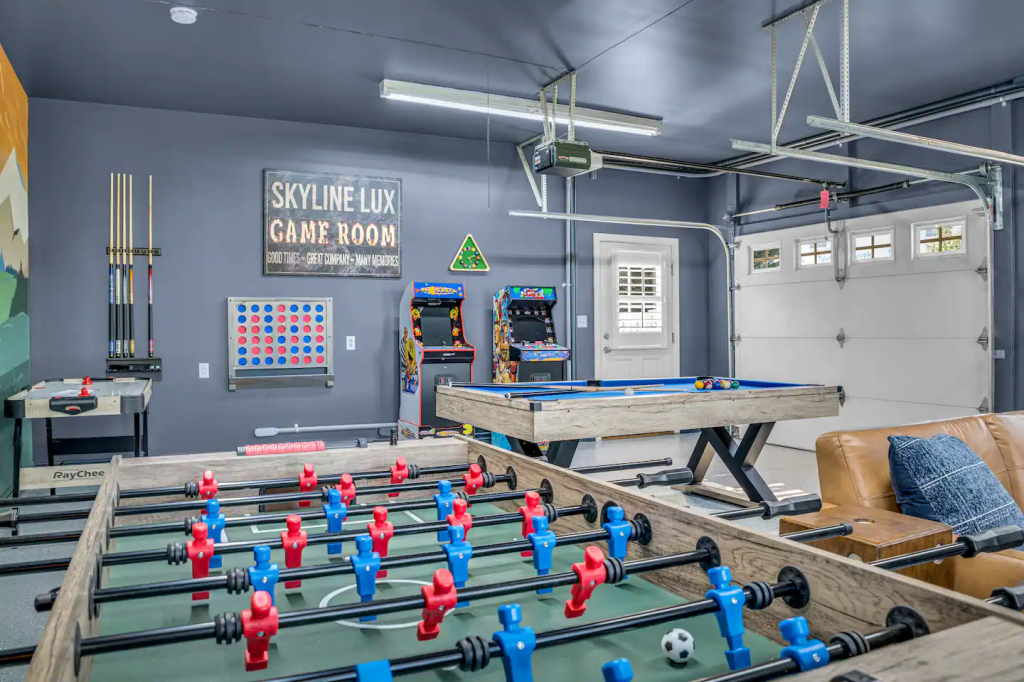
Creating a game room at home sounds like a dream for FCM99 many — a dedicated space where you can unwind, compete, and have fun with family and friends. But often, the thought of setting up a game room feels daunting due to concerns about cost. The good news? Building an amazing game room doesn’t have to break the bank. With smart planning, creativity, and a few budget-friendly tips, you can transform any spare room, basement, or even a corner of your home into the ultimate gaming haven.
In this article, we’ll walk you through how to build a game room on a budget — covering everything from space planning and furniture to game selections and décor.
Step 1: Plan Your Space Wisely
The foundation of any great game room is a well-thought-out space. Start by assessing what you have:
Choose the right room or corner: It could be a basement, spare bedroom, attic, or even a large walk-in closet.
Measure the space: Knowing your room’s dimensions helps avoid buying oversized furniture or equipment.
Think multi-purpose: If space is limited, consider a flexible setup that doubles as a living area or home office.
By setting clear limits, you avoid overspending on items that won’t fit or function well in your game room.
Step 2: Budget-Friendly Furniture and Seating
Comfort is key for any game room, but luxury furniture isn’t always necessary.
Look for secondhand gems: Check out local thrift stores, garage sales, or online marketplaces like Facebook Marketplace or Craigslist for affordable chairs, tables, and shelves.
DIY your furniture: Simple pallet couches, bean bags, or floor cushions are inexpensive and cozy options. You can also build your own shelving or storage with basic wood and paint.
Multi-functional furniture: Use foldable tables or ottomans with hidden storage to save space and money.
Remember, the goal is comfort without extravagance.
Step 3: Affordable Gaming Equipment and Games
Your game room needs games — but you don’t have to spend a fortune here either.
Start with classic games: Card games, board games like Uno, Chess, or Scrabble, and puzzles are inexpensive and endlessly entertaining.
Look for bundles or used games: Many sellers offer game collections at discounted prices.
Embrace digital gaming: Instead of investing in multiple consoles, consider a budget-friendly device like a Nintendo Switch Lite or even free-to-play games on your PC or smartphone.
Repurpose old tech: An old TV or monitor can serve as your screen for video games or digital board games.
DIY game ideas: Homemade darts boards, ring toss, or cornhole sets can be crafted with simple materials from hardware stores.
Step 4: Lighting and Ambiance on a Budget
Lighting sets the mood and enhances your gaming experience, but you don’t need to spend big on fancy fixtures.
Use LED strip lights: They’re cheap, easy to install, and come in various colors to create the perfect atmosphere.
DIY lamps: Turn old jars or boxes into creative light fixtures with battery-operated LED candles or fairy lights.
Smart use of existing lighting: Position floor or desk lamps strategically to reduce glare on screens and illuminate game tables.
Add blackout curtains or blinds: They help control natural light and improve screen visibility without expensive upgrades.
Step 5: Decorate with Creativity, Not Cost
Decor adds personality to your game room and makes it inviting, but it doesn’t have to be pricey.
Print posters or game art: Download free or low-cost printable art from sites like Etsy or Pinterest, then frame them yourself.
DIY wall art: Paint your favorite game logos or quotes on canvases or even directly on the walls.
Use thematic colors: Choose inexpensive throw pillows, rugs, or curtains in your favorite game-inspired colors to pull the look together.
Incorporate memorabilia: Display collectibles, trophies, or even DIY shelves for games and controllers.
Step 6: Storage Solutions That Save Space and Money
Keeping your game room organized is crucial, especially when space is tight.
Use plastic bins or crates: Label and stack them for easy access to game pieces, controllers, and cables.
Wall-mounted shelves: Affordable and space-saving, they keep your floor clutter-free.
Repurpose furniture: Old dressers or TV stands can store games and gear.
Cable management: Use simple clips, ties, or even binder clips to keep wires tidy and safe.
Step 7: Involve Family or Friends for a Fun Build
Turning your game room project into a group activity can save money and create shared memories.
Host a game room setup party: Invite friends to help with painting, assembling furniture, or decorating.
Swap games: Exchange games you no longer play with others to expand your collection without spending.
DIY craft sessions: Make your own decorations or game accessories together.
This approach not only cuts costs but makes your game room feel more personal and special.
Bonus Tips to Maximize Your Budget
Set a budget and stick to it: Outline how much you want to spend on furniture, games, and décor to avoid impulse buys.
Shop off-season: Many retailers offer discounts on furniture and electronics during holidays or clearance events.
Check for coupons and deals: Online platforms often have promo codes or cashback options.
Prioritize essentials first: Get the basics set up (seating, lighting, games) before adding extras.
Focus on functionality: Stylish doesn’t have to mean expensive — focus on pieces that are comfortable, durable, and practical.
Final Thoughts
Building a game room on a budget is totally achievable with some creativity, resourcefulness, and smart shopping. The joy of having a dedicated space to play, laugh, and bond with loved ones far outweighs the cost. Remember, the heart of any game room is the fun it brings — not the price tag on the furniture or games.
 Site Title